
Wine lovers around the world often notice something intriguing when they taste Greek wine for the first time: it feels different. The aromas are unfamiliar, the textures unique, and the connection to the landscape almost immediate.
This difference is not accidental. It is the result of Greece’s extraordinary biodiversity, ancient viticultural traditions, and the remarkable diversity of its indigenous grape varieties.
A Land of Microclimates
Greece may appear small on the map, but its wine landscapes are incredibly diverse. Mountains, islands, volcanic soils, limestone hills, and coastal vineyards create a mosaic of microclimates.
These natural conditions shape how grapes grow and mature, producing wines with distinctive character and vibrant expression.
From the windswept vineyards of the Aegean islands to the high-altitude slopes of mainland Greece, terroir plays a powerful role in shaping the identity of Greek wine.
The Rich World of Indigenous Grapes
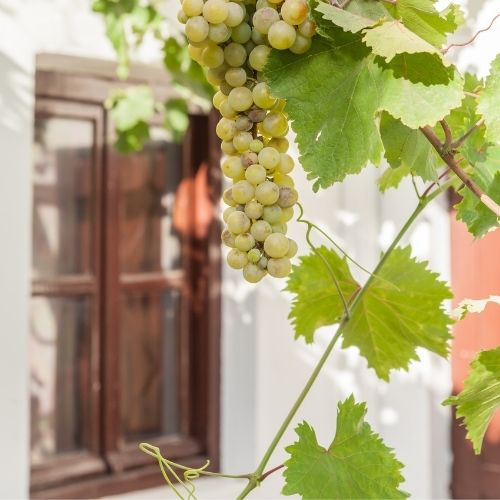
One of Greece’s greatest wine treasures is its wealth of indigenous grape varieties. More than 300 native grapes are believed to exist, many of them cultivated for centuries.
Unlike international varieties such as Cabernet Sauvignon or Chardonnay, these grapes evolved in harmony with the Greek climate and soils.
This natural adaptation allows them to express their origin more clearly, giving Greek wines their distinctive personality.
Among the best known are:
- Assyrtiko, famous for its mineral intensity
- Agiorgitiko, elegant and expressive
- Xinomavro, complex and structured
- Savvatiano, historically linked to Attica’s wine culture
Terroir: When Land and Culture Meet
In Greece, terroir is not only about soil and climate. It is also about culture.
Traditional farming practices, small family vineyards, and generations of local knowledge shape the way wine is made. In many regions, winemaking techniques have been passed down for centuries, blending heritage with modern innovation.
This interaction between land and people gives Greek wine its depth and authenticity.
A Different Wine Philosophy
Greek wine culture tends to prioritize balance, food pairing, and social experience rather than power or prestige.
Wine is meant to accompany meals, conversations, and gatherings — much like it did in ancient symposia.
This philosophy influences how wines are produced: fresh, vibrant, and designed to complement Mediterranean cuisine.
The distinctive taste of Greek wine is the result of a rare combination: ancient vines, diverse landscapes, indigenous grapes, and a culture that values authenticity.
For travelers and wine lovers alike, discovering Greek wine is more than a tasting experience — it is an exploration of a landscape shaped by history, nature, and tradition.